Choosing a School

Choosing a School
What are the different educational options for students with special educational needs?
In the Irish system, there are three main types of educational provision to meet the needs of students.
– Mainstream classes
– Special classes in a mainstream school
– Special school
Teachers, schools and parents should work together to review a child’s placement often as their needs can change.
On this page, we explain these three main types in more detail. You can also read our information booklet at the link below.

Choosing a school
Mainstream School – Primary and post primary
In a mainstream class, the class or subject teacher is responsible for the progress of all students in the class, including students with special educational needs.
A special education teacher (SET) can provide additional teaching support as needed. This is based on a child’s social, emotional, behavioural and learning needs.
You can check how many special education teacher hours have been allocated to a school here.
Special needs assistants (SNAs) work with children who have care needs. They provide non-teaching care support.
For more information on the supports for students, contact your local special educational needs officer (SENO).

Choosing a school
Special class in a mainstream school
Special classes in mainstream schools offer a supportive learning environment for
students with complex needs.
To get a place in a special school, a child must have a professional report stating that:
– The child has a special educational need
– The professional recommends a special class
Special classes have a lower student-teacher ratio according to the category of disability. This means that classes have smaller numbers of students.
For example:
– A special class for children with moderate general learning disabilities has one teacher for every eight children
– A special class for children and young people with autism has one teacher for every six children
A student’s place in a special is reviewed every year. This review should consider the student’s needs and progress.
Special classes should allow children to be educated alongside other students by mixing groups from special classes and mainstream classes throughout the day.
For more information on schools with special classes for your child, contact your special educational needs organiser (SENO).
Choosing a school
Special schools
Special schools support students with significant complex special educational needs.
To get a place in a special school, a child must have a professional report stating that:
– The child has a special educational need
– The need is so complex a special school place is recommended
Special schools have a lower student-teacher ratio according to category of disability. This means that classes have small numbers of students.
A special school for students with a moderate general learning disability has one teacher for every eight students.
Each special school has a specific designation. This means that a student must have a diagnosed disability in line with the school’s specific designation. For example, autism, moderate or profound general leading disabilities or deaf/hard of hearing .
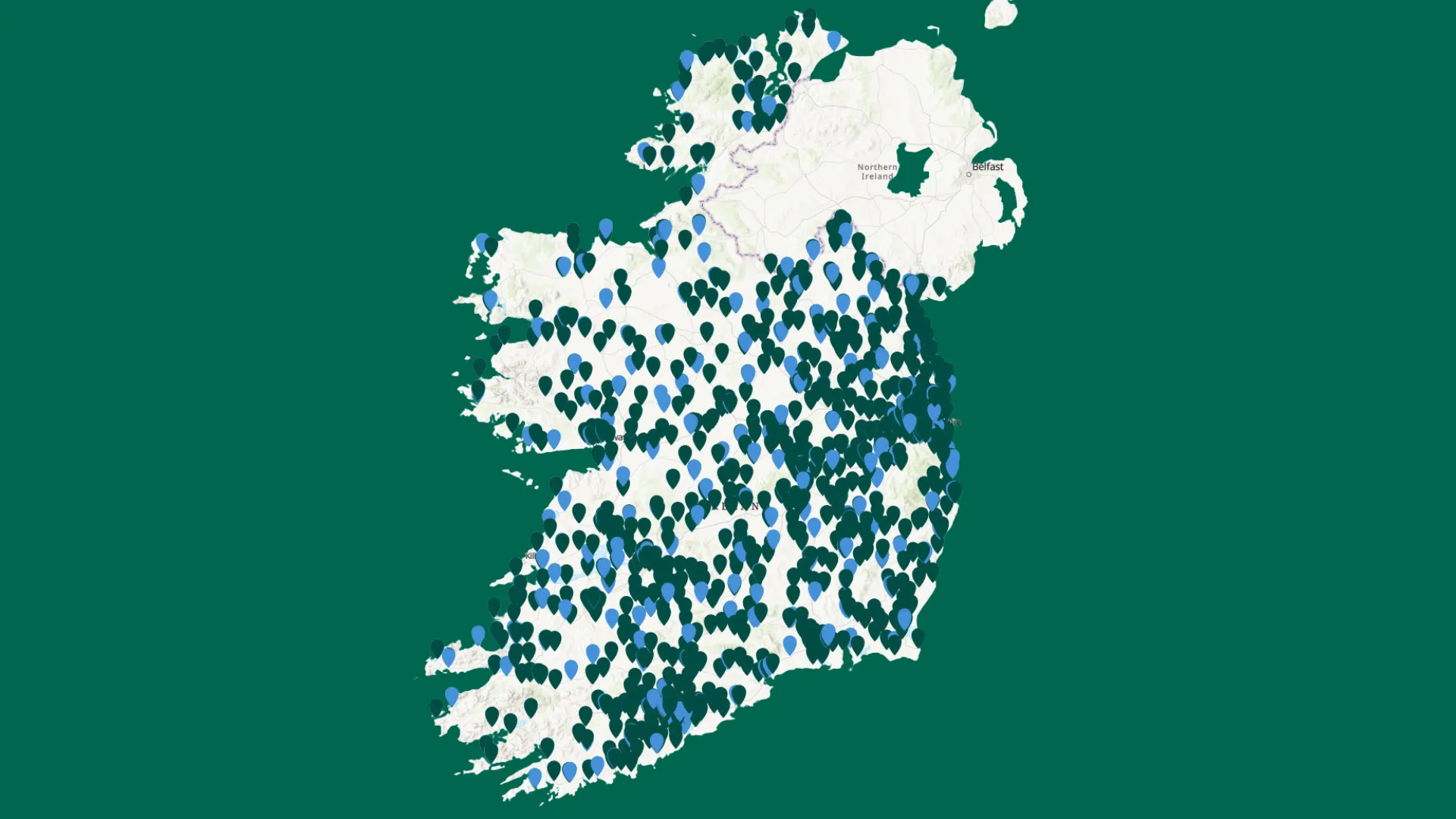
View our School Information Map on our SENO webpage to find a special school in your area.
If you need advice to see what educational supports may best suit your child, your local special educational needs organiser (SENO) can help.
School Information Map
Find a school in your area
With the School Information Map, you can find the location and contact details of:
– Special schools
– Mainstream schools with special classes
– Schools with Early Intervention Autism Classes
– Your special educational needs organiser (SENO)

Choosing a School
SET Hours, Special Class Teachers and SNA Allocations
he webpage linked below provides comprehensive data on how we allocate:
– Special education teaching (SET) hours
– Special class teachers
– Special needs assistant (SNA) posts
You can find information on allocations for the current and previous years.
Choosing a school
List of Mainstream Schools with Special Classes
Each year, we publish a list of mainstream primary and post-primary schools that have special classes.