School Leaders Guidelines and Applications for Mainstream Schools with Special Classes
Guidelines and Applications for Mainstream Schools with Special Classes

Guidelines and Applications for Mainstream Schools with Special Classes

NCSE Guidelines for Mainstream Schools 2023-24

This booklet contains guidelines and key dates for School Principals and Boards of Management for the School Year in relation to Special Classes.

Guidelines and Applications for Mainstream Schools with Special Classes

Form 1 – Application to NCSE for Access to SNA Support

Unlike mainstream SNA allocations, application for additional SNA support for students attending Special Classes continues to be made on an individual student basis.

Such applications can be made on application Form 1 for students under the age of 18.

Form 1A can be used to apply for access to SNA support for students aged 18 years and over.

Completed forms should be submitted to your SENO.

An adult assisting a child with a paper craft
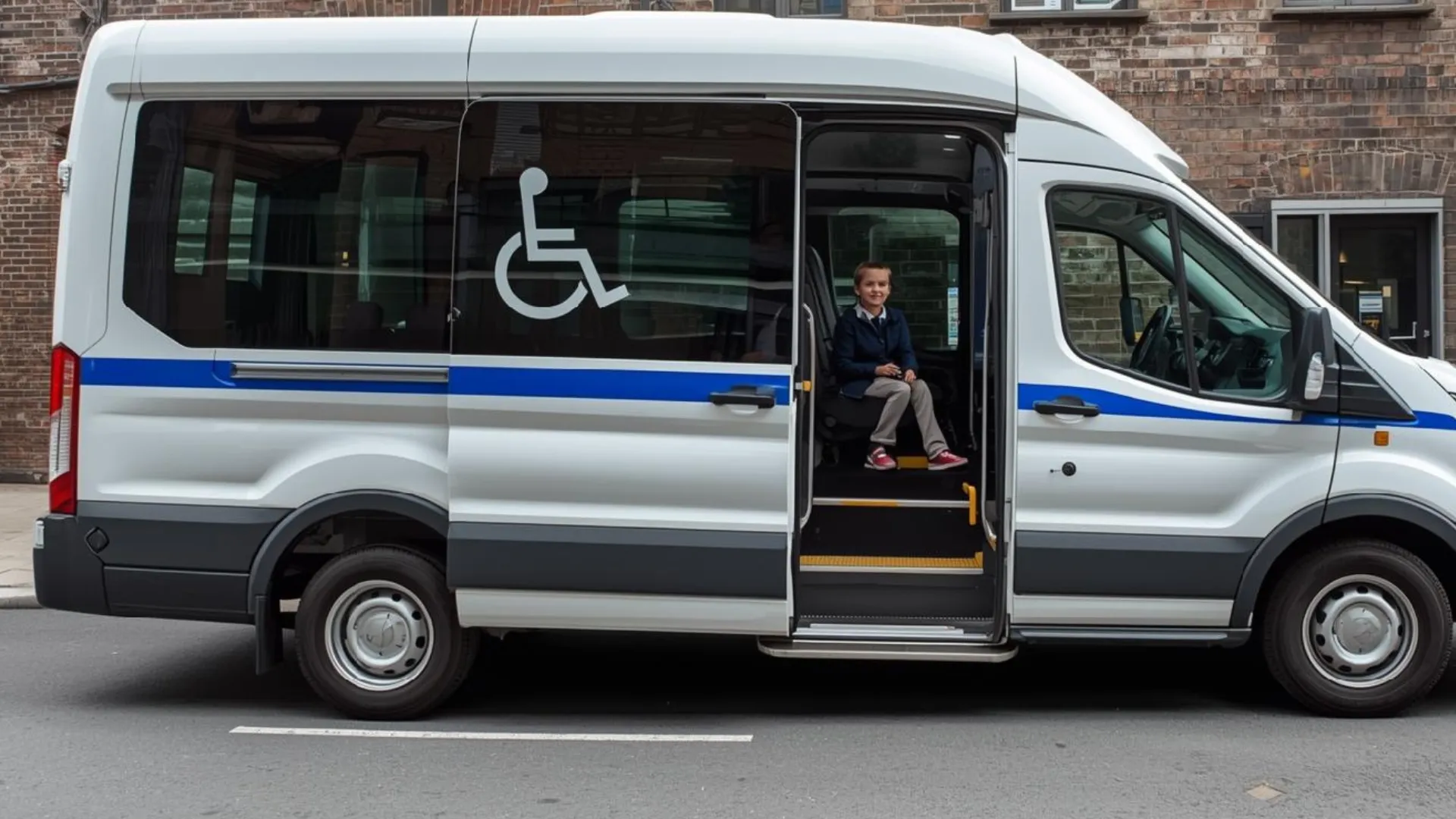
A white van with a wheelchair accessibility symbol parked on a street

Guidelines and Applications for Mainstream Schools with Special Classes

Form 2 – Application for School Transport

The NCSE processes applications for school transport or students with special educational needs.

Completed application forms should be submitted to your SENO along with the professional report(s) supporting the application. Applications are forwarded by the SENO to the School Transport Section in the Department of Education, who make the decision on all applications.
Guidelines and Applications for Mainstream Schools with Special Classes

Form 3 – Application for Assistive Technology

The NCSE process applications for Assistive Technology for students with special educational needs.

Such applications can be made on application Form 3 for students under the age of 18.

Form 3A can be used to apply for Assistive Technology for students aged 18 years and over.

Completed Behavioural Care Needs Forms can be submitted to your local SENO by post or email.

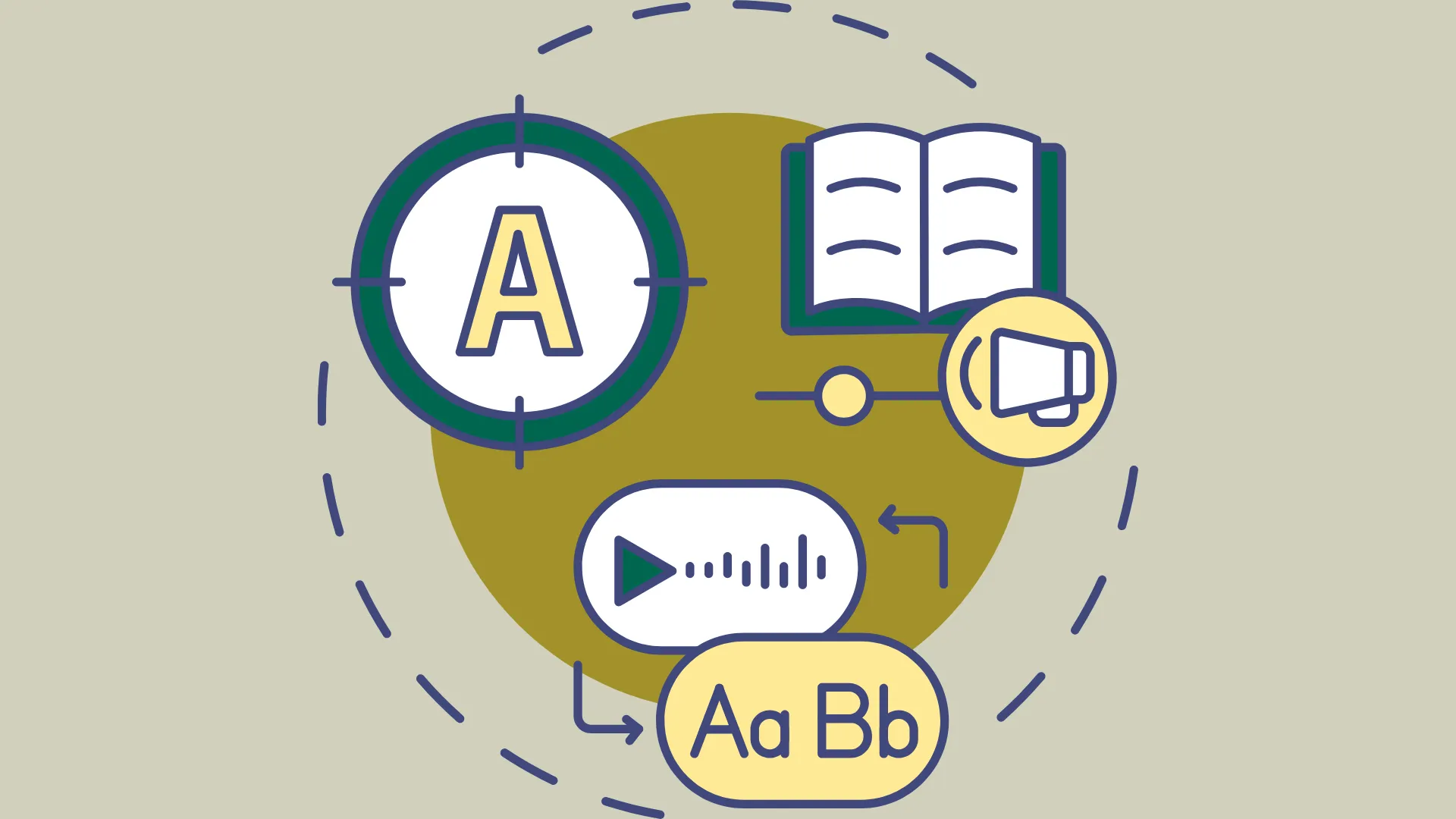
Image with various icons related to assistive technology for reading, writing, and audio playback

Guidelines and Applications for Mainstream Schools with Special Classes

Form 5 – Leavers Form

Schools should forward the Leavers Form (NCSE Form 5) by post or email to their SENO with respect to students who are leaving a Special Class or who are otherwise
in receipt of special education resources that were assigned following application to the NCSE.

Where there are no students leaving, the school should complete the form and return it to the SENO with a NIL return.

Guidelines and Applications for Mainstream Schools with Special Classes

Form 6 – Student Attendance Confirmation Form

Schools submit the Student Attendance Confirmation
Form (NCSE Form 6) to their local SENO confirming that new and existing students have taken up or
retained their placements.

Guidelines and Applications for Mainstream Schools with Special Classes

Form 7 – Notification of Enrolment Form

This form is to be used by a school to notify the NCSE when they have offered enrolment to a student in a special school/special class in line with the school’s admissions criteria.

Completed Notification of Enrolment Forms can be submitted to your local SENO by post or email.

Guidelines and Applications for Mainstream Schools with Special Classes

Behavioural Care Needs Form

When the primary reason for the application for care needs support relates to behavioural care needs, this form should be completed following an approach based on a Continuum of Support, as outlined in NEPS publications, “Guidelines for Supporting Pupils with Behavioural, Emotional and Social Difficulties”.

Completed Behavioural Care Needs Forms can be submitted to your local SENO by post or email.

Guidelines and Applications for Mainstream Schools with Special Classes

Quick Reference Guide to Care Needs

The document is a Quick Reference Guide summarizing care needs outlined in DES Circular 0030/2014. It lists situations where students with special needs require adult assistance, such as feeding, toileting, mobility, medical administration, supervision, and support for communication and curriculum