Special Classes

Special Classes
What are special classes?
Special classes in mainstream schools offer a supportive learning environment for students with complex needs.
To get a place in a special school, a child must have a professional report stating that:
– The child has a special educational need
– The professional recommends a special class
Special classes have a lower student-teacher ratio according to the category of disability. This means that classes have smaller numbers of students.
For example:
– A special class for children with moderate general learning disabilities has one teacher for every eight children
– A special class for children with autism has one teacher for every six children
A student’s place in a special is reviewed every year. This review should consider the student’s needs and progress.
Special classes should allow children to be educated alongside other students by mixing groups from special classes and mainstream classes throughout the day.
A special class is set up after discussion and agreement by:
– The NCSE
– Schools
– Families of students with special educational needs
– School patrons
– Management bodies
– The Department of Education
– Other relevant stakeholders

Special Classes
Special Class Guidelines and Application forms
This section contains:
– Special class guidelines for principals and boards of management
– Forms relating to management of special classes
– Applications for SNA support, school transport and assistive technology

Special Classes
Guidelines for Setting Up and Organising Special Classes
These guidelines guide schools when setting up, organising and staffing special classes in mainstream primary and post-primary schools.
They are particularly relevant to boards of management.
They should be read with the NCSE Transition Guidelines
Special Classes
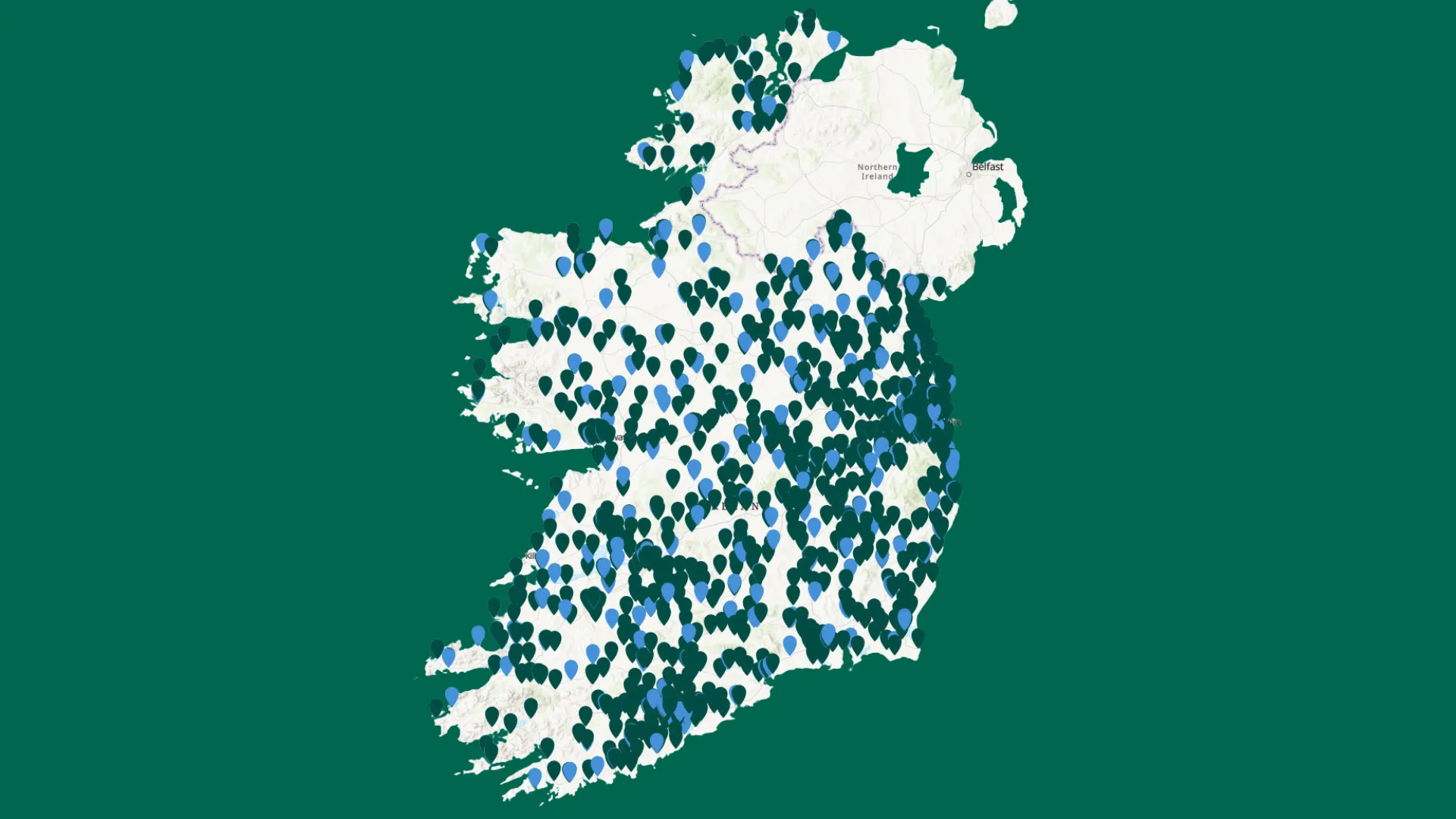
List of Mainstream Schools with Special Classes
Each year, the NCSE publishes a list of mainstream primary and post-primary schools with special classes.