Education Therapy Service
Education Therapy Service
NCSE Education Therapy Service
“The National Council for Special Education (NCSE) welcomes the development of the Education Therapy Service and looks forward to working closely with our colleagues in health and education to provide a coordinated and aligned service for children and young people and their families”
Education Therapy Service
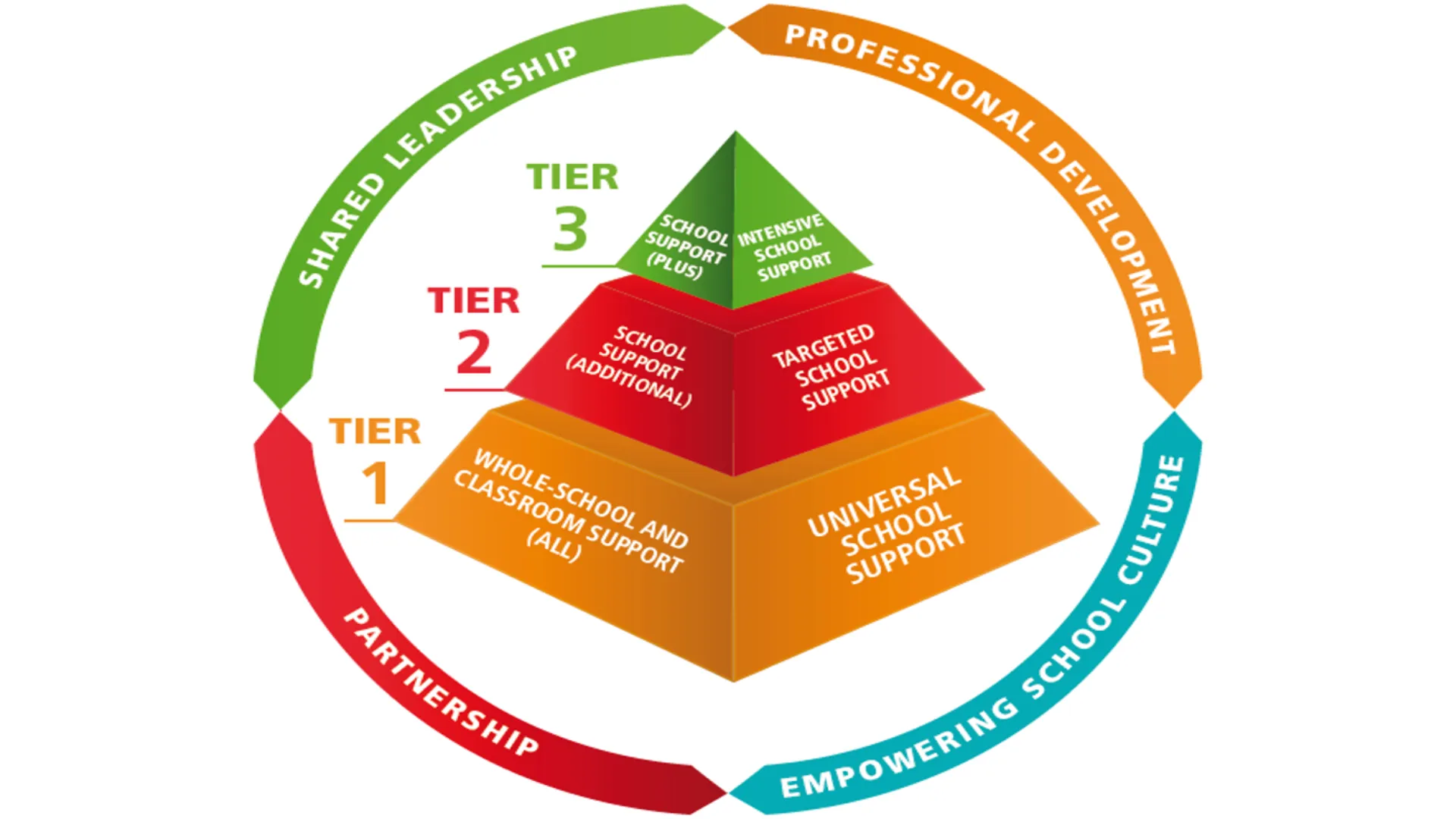
Multi-tiered model of support
The Education Therapy Service (ETS) will work with schools and families to maximise the inclusion, participation and educational potential of children and young people. ETS will utilise an evidence informed, multi-tiered model of support in the delivery of services.
Education Therapy Service
Promoting Inclusive Education
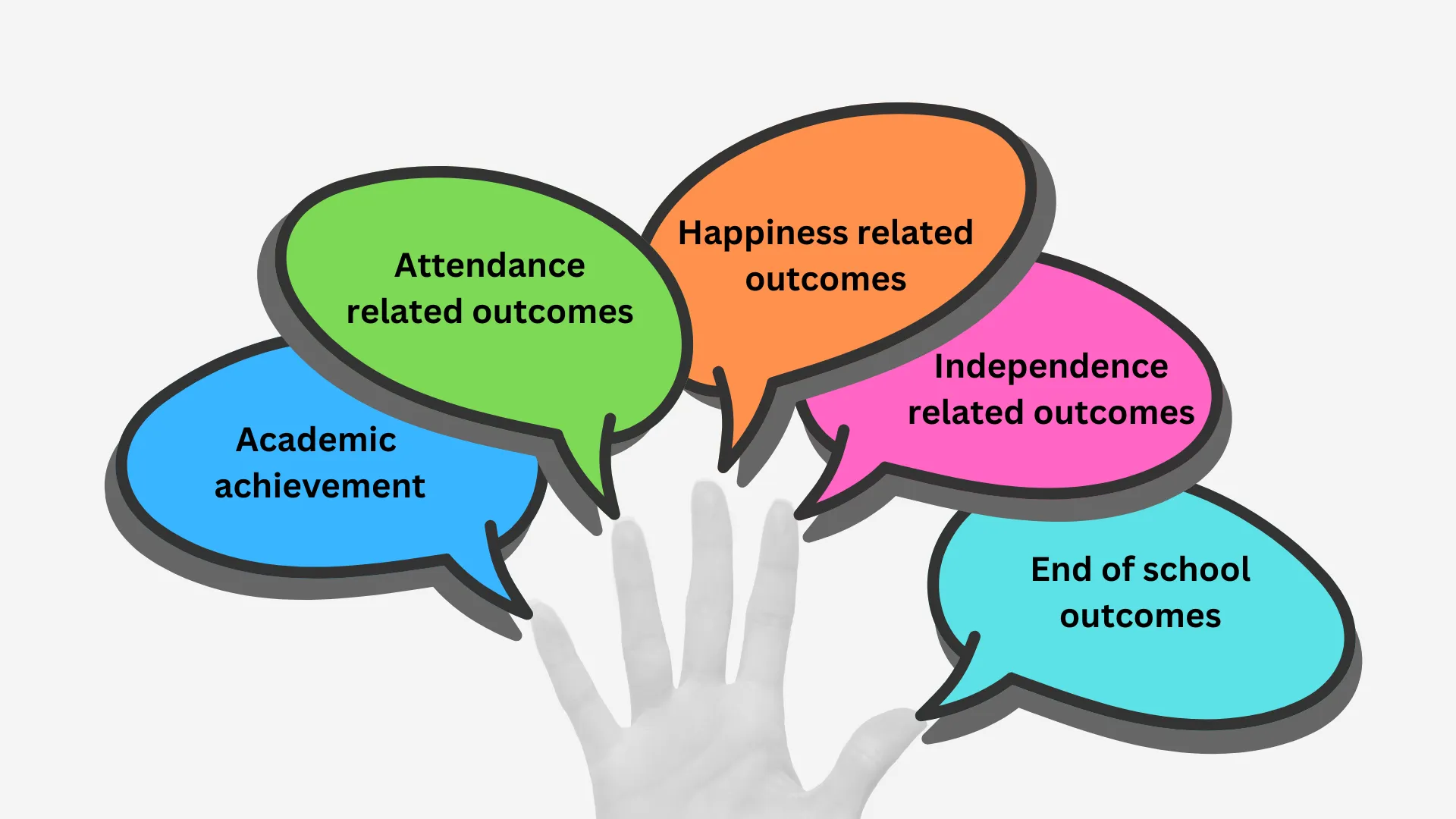
The ETS will actively promote inclusive education across the full continuum of education supports, while working collaboratively with NCSE colleagues, school staff, parents, and existing children’s services such as NEPS and HSE. The ETS will focus on support needs identified in a school setting that will benefit from an education-based therapy response and educationally relevant outcomes.
Education Therapy Service
Overview of the Education Therapy Service
The Education Therapy Service (ETS) represents therapy supports from Occupational Therapists and Speech and Language Therapists. The ETS builds on the existing therapy service in the NCSE (Strand 2 and Strand 3 described below) and is part of a broader inclusive education strategy.
The ETS will now provide three strands of support to the education system, which include:

Strand 1 – Embedded Therapy Support
This is a new support being rolled out as part of ETS. The service will assign therapist/s to special schools and employ a multi-tiered model of support, which includes supports at a universal, targeted and individualised level. Ensuring children with the greatest level of need receive the greatest level of support.
An embedded therapy service will promote the development of strong relationships between therapists, teachers, special needs assistants and parents, allowing for co-design, joint problem solving and consistency across home and school. It also provides the opportunity for consistent collaboration across existing children’s services.

Strand 2 – Sustained In-school Therapy (SIT)
NCSE Therapists working intensively with selected schools over a two-year period to address specific needs identified in collaboration with each school. This is an existing strand of ETS within the NCSE.

Strand 3 – Regional Therapy (RT)
Teacher Professional Learning (TPL) with a range of follow-on implementation supports for teachers, available across both NCSE regions. This is an existing strand of ETS within the NCSE.

Education Therapy Service
Phased Implementation
Rollout of Strand 1 ETS to 45 special schools commenced in February 2026.
Further roll out will then progress on a phased basis, with the aim that all special schools will have an assigned therapist in the 2026/27 school year.
Over time, the service will expand to include both special and mainstream classes.
Education Therapy Service
Phase 1

Education Therapy Service – Phase 1
Minister announces first phase of roll-out of the new Education Therapy Services (ETS)
Minister for Education and Youth, Hildegarde Naughton, and Minister for Special Education and Inclusion, Michael Moynihan, have announced details of the first phased roll-out of the new Education Therapy Services (ETS).
The Education Therapy Service (ETS), a standalone commitment under the Programme for Government, represents a major cross departmental initiative to strengthen supports for children with special educational needs. The new therapy service will be delivered by the National Council for Special Education (NCSE).

Education Therapy Service – Phase 1
What Schools Can Expect from the Education Therapy Service (ETS)

Education Therapy Service – Phase 1
What Parents Can Expect from the Education Therapy Service (ETS)
Education Therapy Service – Phase 1
Education Therapy Service – Service Delivery and Integration with existing Children Services

Education Therapy Service – Phase 1
Frequently Asked Questions
View a list of the most frequently asked questions relating to the new Education Therapy Service.

Education Therapy Service
Ongoing and Upcoming Activities
Cross sector engagement will continue, ensuring alignment with existing services and consultation with parents, school leaders, and professional bodies to build a system that can provide the best possible outcomes for all children.