Data and Statistics

Data and Statistics
What data and statistics do the NCSE publish?
In the NCSE, we publish information on how we allocate resources to schools to support students with special educational needs.
These allocations include:
– Special education teacher (SET) hours – Allocated based on school profiles and student needs
– Special needs assistant (SNA) posts – Assigned to support students requiring additional care
– Special class provision – Listings of special classes in mainstream and special schools
– In-school therapy supports – Data on therapy provided in schools such as speech and language therapy
– Exceptional review applications – Summaries of schools requesting additional SET support

Data and Statistics
SET Hours, Special Class Teachers and SNA Allocations
SET Hours, Special Class Teachers and SNA Allocations
The webpage linked below provides comprehensive data on how we allocate:
– Special education teaching (SET) hours
– Special class teachers
– Special needs assistant (SNA) posts
You can find information on allocations for the current and previous years.
Data and Statistics
Lists of Mainstream Schools with Special Classes
Each year, we publish a list of mainstream primary and post-primary schools that have special classes.
You can view the lists at the links below.

Data and Statistics
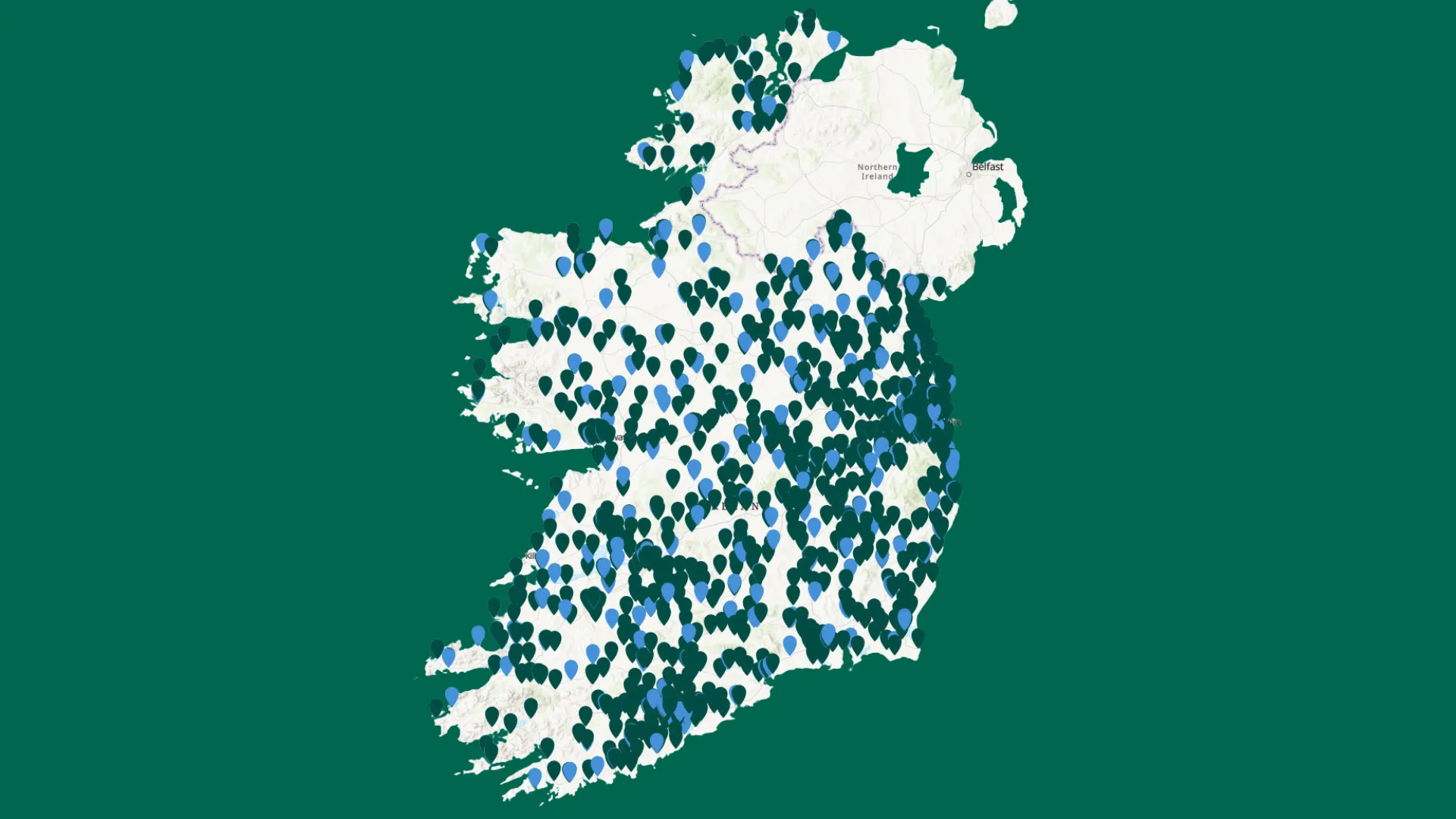
NCSE’s Open Data Portal
Our Open Data Portal provides access to key data related to special education in Ireland.
This central platform aims to promote transparency, collaboration, and data-driven decision-making to support students with special educational needs.
With the Portal, we aim to:
– Structure and share data more widely
– Promote access to data
– Re-use data across the education sector
– Foster a deeper understanding of student needs and the supports required
– Improve educational outcomes for students