Visiting Teachers
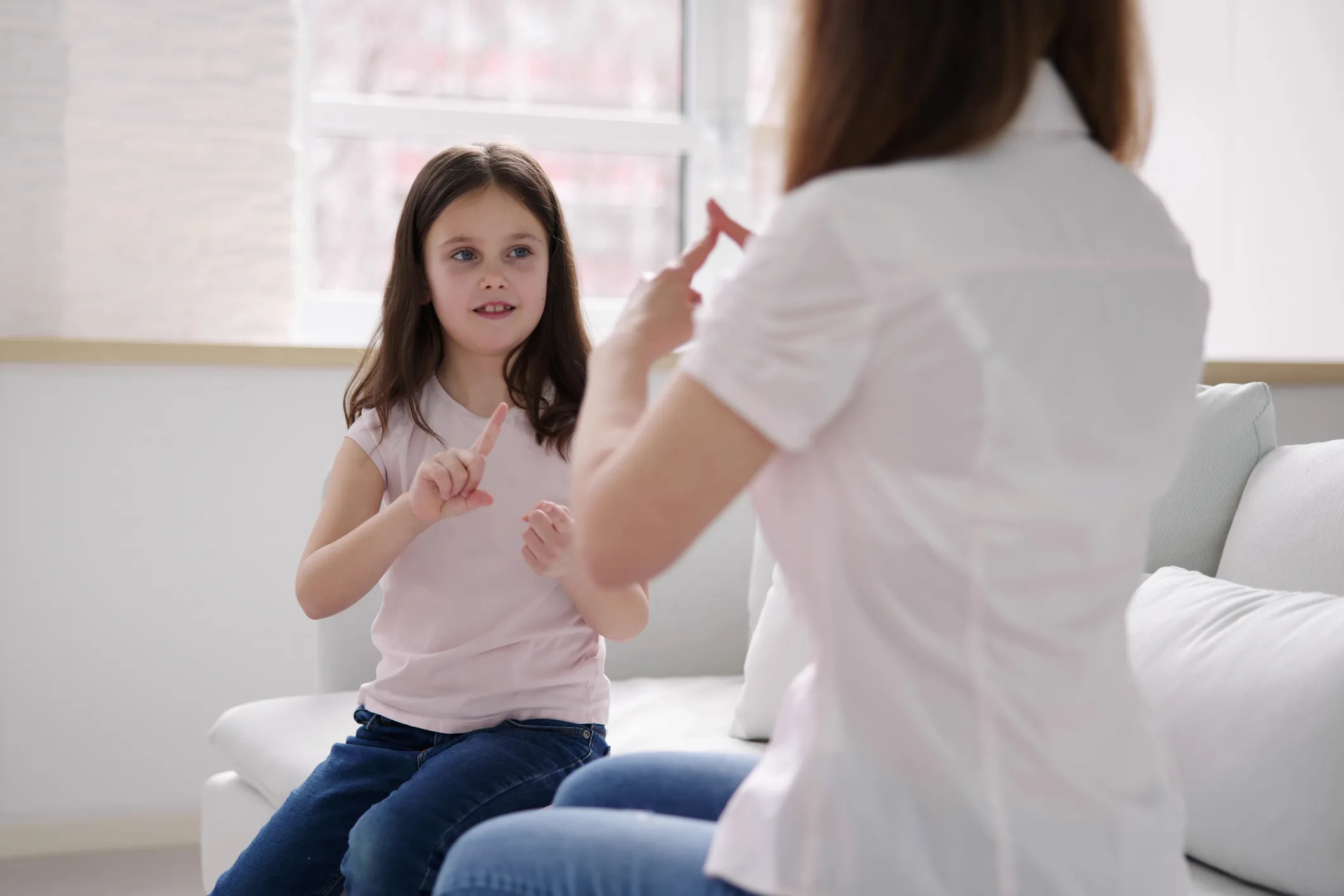
Visiting Teachers
What does a visiting teacher do?
Visiting teachers are qualified teachers with specialist skills who support:
– Children who are Deaf/ Hard of Hearing
– Children who are Blind/Vision impaired
Visiting teachers offer long-term support to children from primary to post-primary levels.
How often and what kind of support a child receives can depend on the child’s needs.
Each visiting teacher works in a region and has a number of students to support.
They support parents, guardians, teachers and other professionals involved with the child.
Visiting teachers work alongside other professionals and agencies such as:
– Audiologists (hearing specialists)
– Ophthalmology (vision) services
– Speech and language therapists
– Low-vision specialists
– Psychologists
– Early intervention teams,
– Irish Sign Language (ISL) advisors
– Specialist school staff
They also work with advocacy groups and Disabled Persons Organisations (DPOs) such as As I Am for autism and the Irish Deaf Society.
On this page we explain:
– The process to get a referral
– What happens when a visiting teacher supports your child at home and at school
– How to contact your local visiting teacher

Visiting Teachers
Referrals
How to make a referral
Referrals may be made in writing to visiting teachers by:
– Parents
– Schools
– HSE Audiological and Ophthalmology Services
– Eye Clinics
– Vision Ireland
– Cochlear Implant Unit, Beaumont Hospital
– Irish Deaf Society
– Chime
When making the referral, please:
– Use the standard referral form
– Include an up-to-date audiology or ophthalmology report
Please send the referral form directly to the local visiting teacher. See link to contact details at the bottom of the page.

Visiting Teachers
Visits to the Home
Before a visiting teacher, visits your home, they will contact you to arrange the visit and get your agreement (consent). Parents or guardians are usually present when the visiting teacher meets and interacts with your child.
During the visit, the visiting teacher can offer support in many ways.
General support
– Provide information and advice
– Make recommendations to the preschool or school regarding assistive technologies needed when the child is enrolled
-Put you in contact with other parents of children who are Deaf/Hard of hearing or Blind/Vision impaired so that you can share experiences and information and can provide mutual support
– Help you monitor and celebrate your child’s progress
Support for children who are Deaf/Hard of Hearing
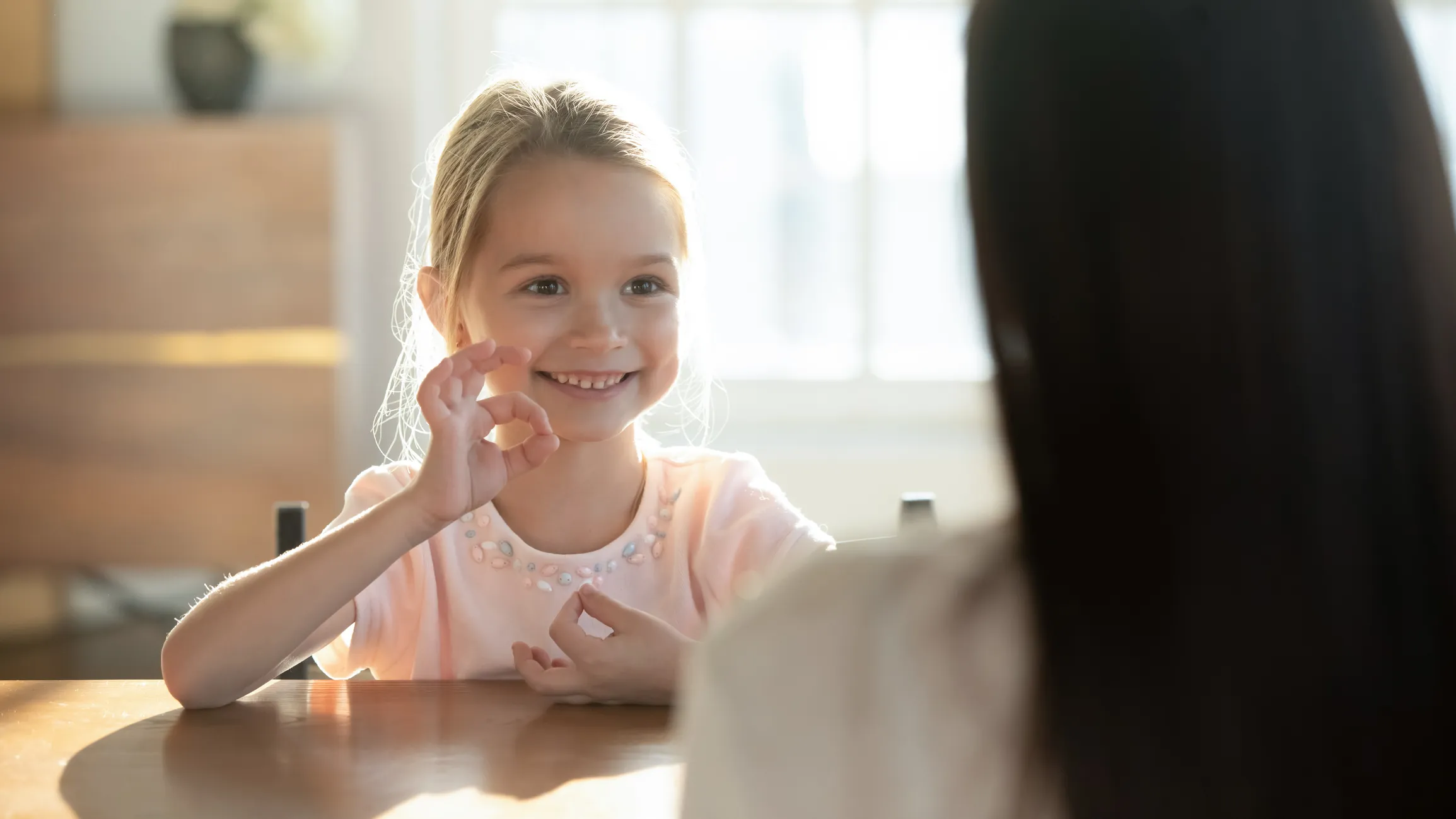
– Suggest good communication and language support through everyday activities, interaction and play
– Share information about communication options available, including spoken and sign language
– Provide information on education options when you are choosing a pre-school or school
– Discuss and show how to use assistive technology such as amplification devices
Support for children who are Blind/Vision impaired
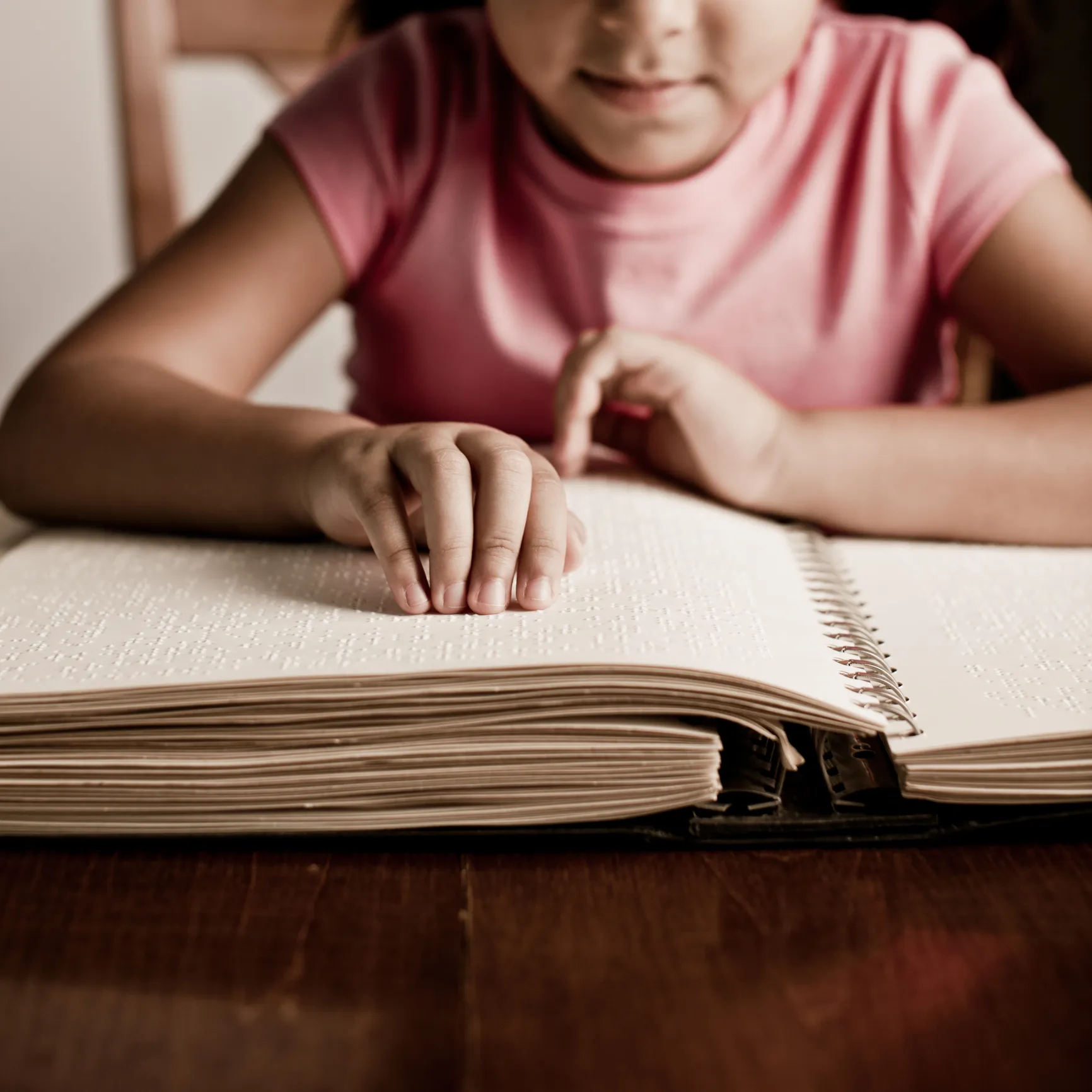
– Work on stimulating vision and provide support to develop pre-braille skills and mobility
– Share information about communication options available, including braille.
– Discuss and show how to use assistive technology such as low vision aids
Visiting Teachers
Visits to the Primary School
At primary-school level, the visiting teacher can provide support in many ways:
– Direct teaching, particularly in the areas of language and communication
– Model teaching approaches for mainstream and special education teachers
Contribute to the child’s school support plan in cooperation with parents and school staff:
– Assess and record the child’s progress in reaching targets
– Empower mainstream staff to deliver the curriculum by advising them of the potential educational and social impact of hearing loss or visual impairment on a child’s development
– Make recommendations and advise teachers on the use of assistive technologies such as amplification equipment and low-vision aids
– Advise on the acoustics and safe environment in the classroom
– Work with other professionals and agencies who provide services

Visiting Teachers
Visits to the Post-Primary School
Before the child moves to post-primary school, the visiting teachers works with the parents and schools to assist with the transition process.
In addition to support provided at primary school level, the visiting teacher can offer the following support at post-primary level:
– Makes recommendations regarding reasonable accommodations provided by the State Examinations Commission, and support a school’s application for accommodations
– Prepare a transition report for the student to share with disability officers in third- level education, further education and training agencies, or potential employers.
Contact a Visiting Teacher
Find your local Visiting Teacher for the Blind/Visually impaired
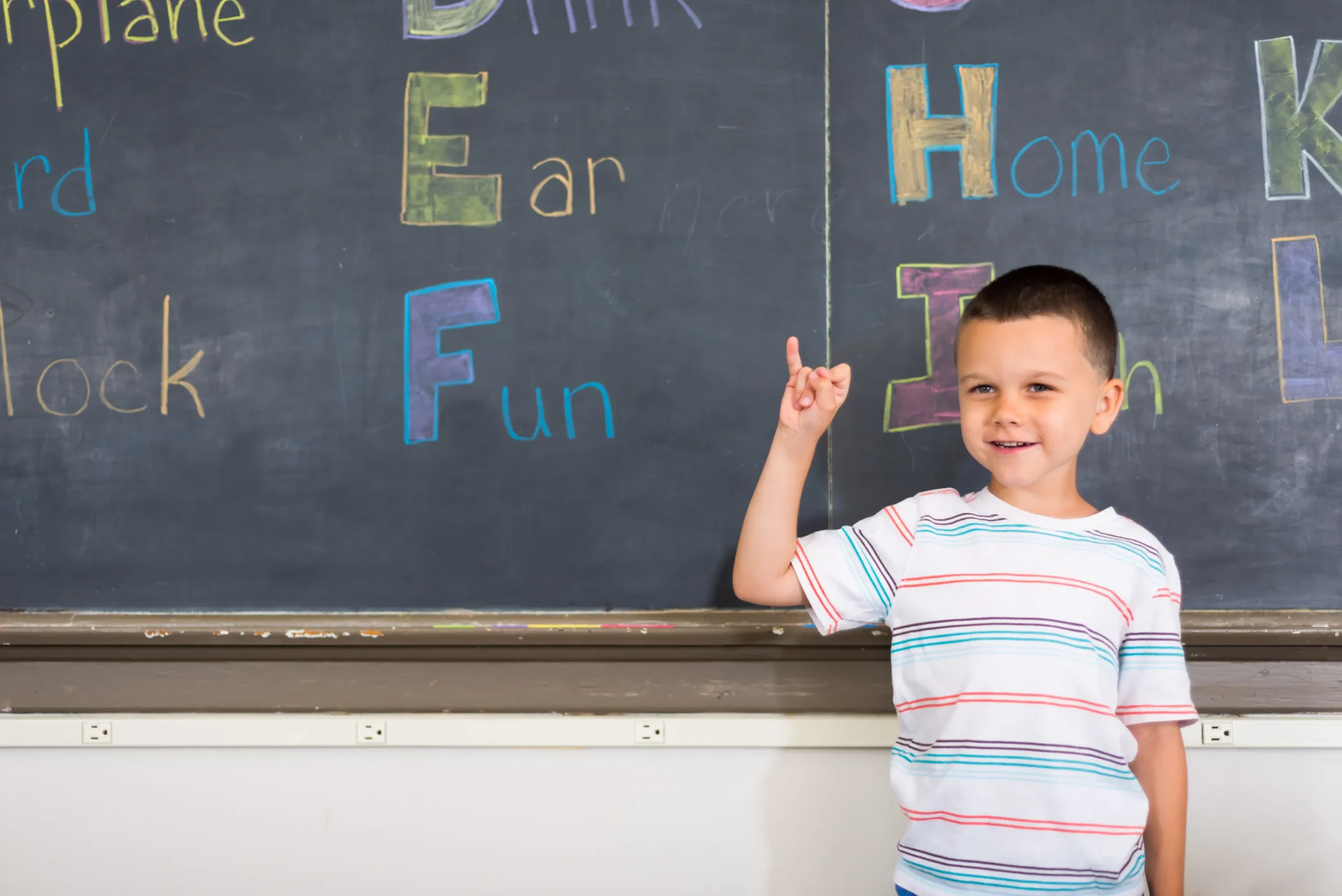
Find your local Visiting Teacher for the Deaf/Hard of hearing